
Active Warrants in St. Louis County
The Sheriff's Warrant Division publishes active lists as a public-safety service based on court-issued warrants. The list is updated nightly at 9:00 p.m. and is not a full live detention feed. It is best treated as a quick confirmation layer, not a legal certainty in itself.
A name shown on the public list does not create guilt. It signals that the warrant was on file on the list publication time. Delays between court action and statewide or national synchronization are possible, so enforcement confirmation is still required before action.
The county page distinguishes two buckets: active felony warrants and active misdemeanor warrants. Public users should treat the court number, offense type, and publishing timestamp as fields to verify during follow-up.
Who Issues St. Louis County Warrants
The Sheriff’s Office does not issue warrants in this pathway. Court judges and prosecutors issue them through lawful process, and warrants are entered into the required law-enforcement systems for execution. The sheriff executes and tracks them under operational law-enforcement duties.
For legal decisions on whether an apparent hit is stale or resolved, callers should request confirmation through the court office tied to the case file. Court confirmation is the legal gate for determining whether enforcement is still valid at the current time.
Important: Do not attempt to enforce or confront a person listed online. Arrests and safe resolutions are law-enforcement responsibilities only.
How to Look Up Warrant Data
Start with the county Warrant Division list for a broad local view, then follow up by courthouse and case channels. St. Louis County users should verify pending updates before treating any result as active at the moment.
Use the official Sheriff channels when you need broader enforcement context such as fugitive status notices, DOC hold checks, or federal custody references.
The page updates are published nightly at 9:00 p.m. and the list can take time to align with court action and wider databases. That means a listing or non-listing is a status signal for public awareness, not a legal finality check.
Source: https://www.stlouiscountymn.gov/departments-a-z/sheriff/warrant-division
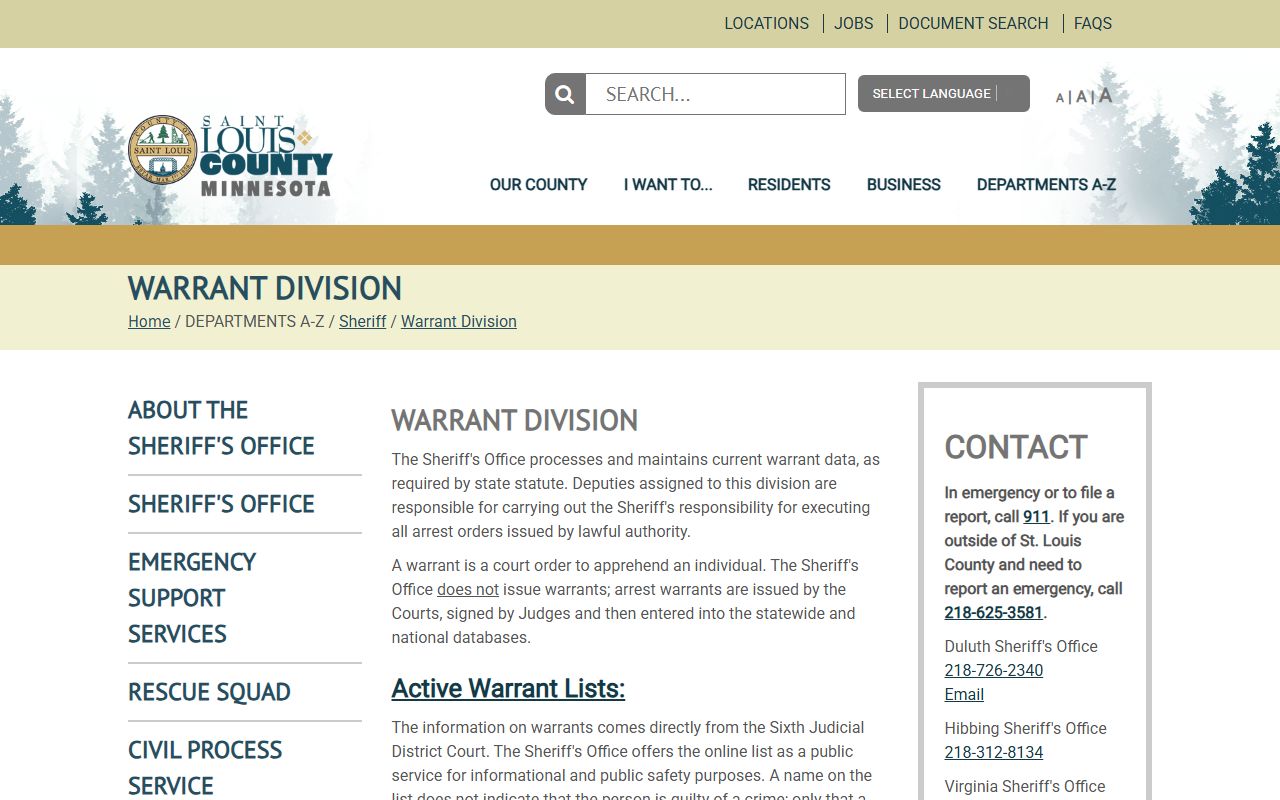
Use the warrant division source first for list context and for the official active felony and misdemeanor list links.
Source: https://coms.doc.state.mn.us/publicviewer/
DOC views are useful for sentenced-offender and DOC hold context, not a county warrant replacement.
Source: https://www.vinelink.com/
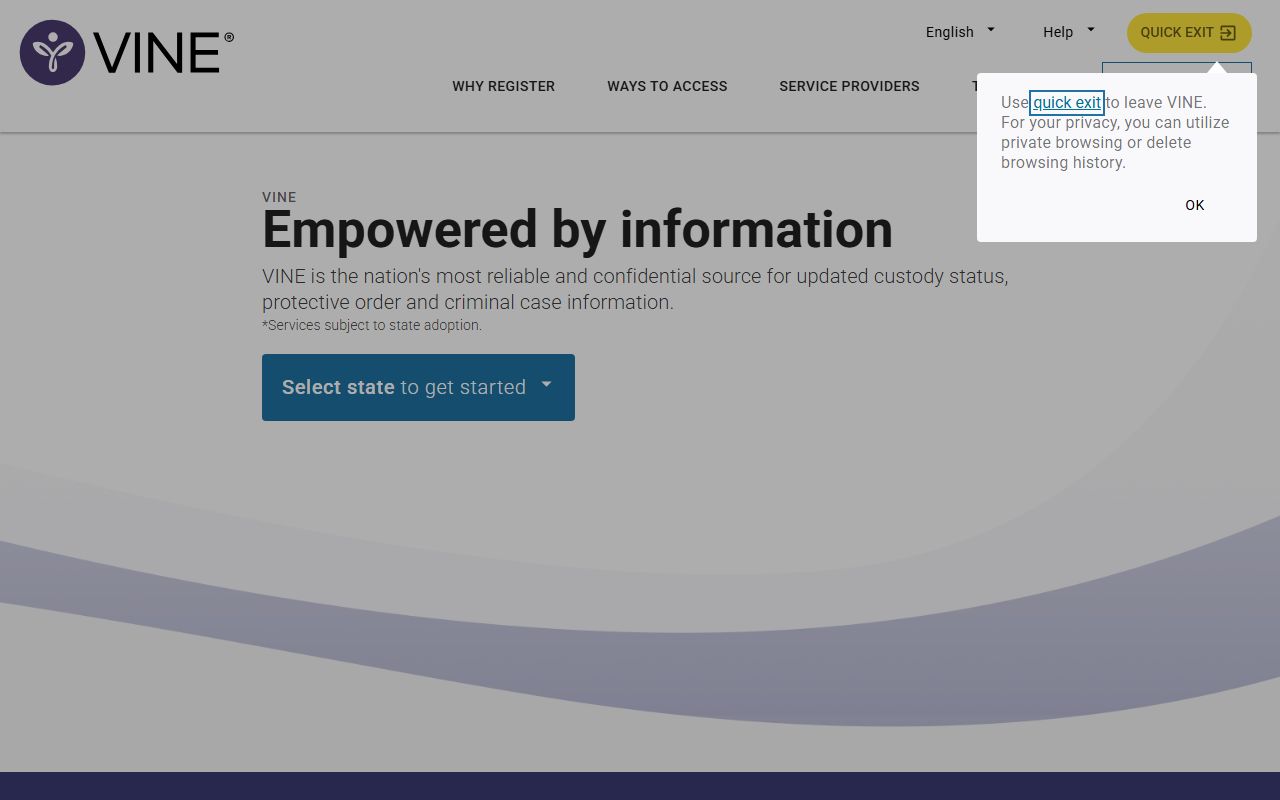
VINELink supports notification workflows for custody movement and does not replace official court confirmation.
Source: https://por.state.mn.us/
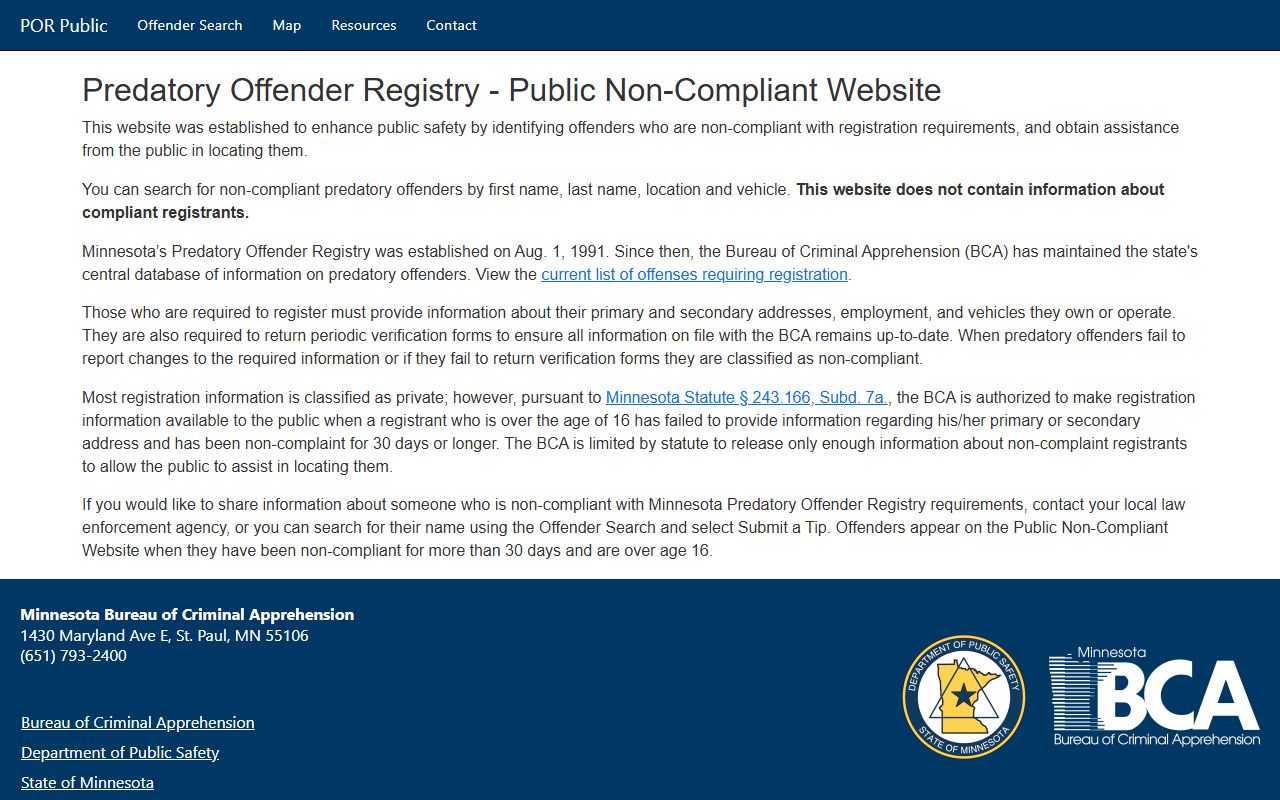
Predatory-offender records can provide supplemental context when a named person has another restricted-status pathway.
Warrant Record Inventory
The county list and related warrant records usually show a compact set of fields. Use this as the sample map for what should appear.
| Field | What It Shows |
|---|---|
| Warrant type | Felony or misdemeanor category from the official active list. |
| Name | Person name on the active warrant list. |
| Case reference | Sixth Judicial District case linkage used to locate the underlying file. |
| Charge or reason | Summary of why the warrant was issued when the list provides reason text. |
| Publication timestamp | List publication time used to measure potential staleness. |
| Issuing source | Indicates the court source behind the warrant origin. |
Source: https://www.revisor.mn.gov/statutes/cite/641.05
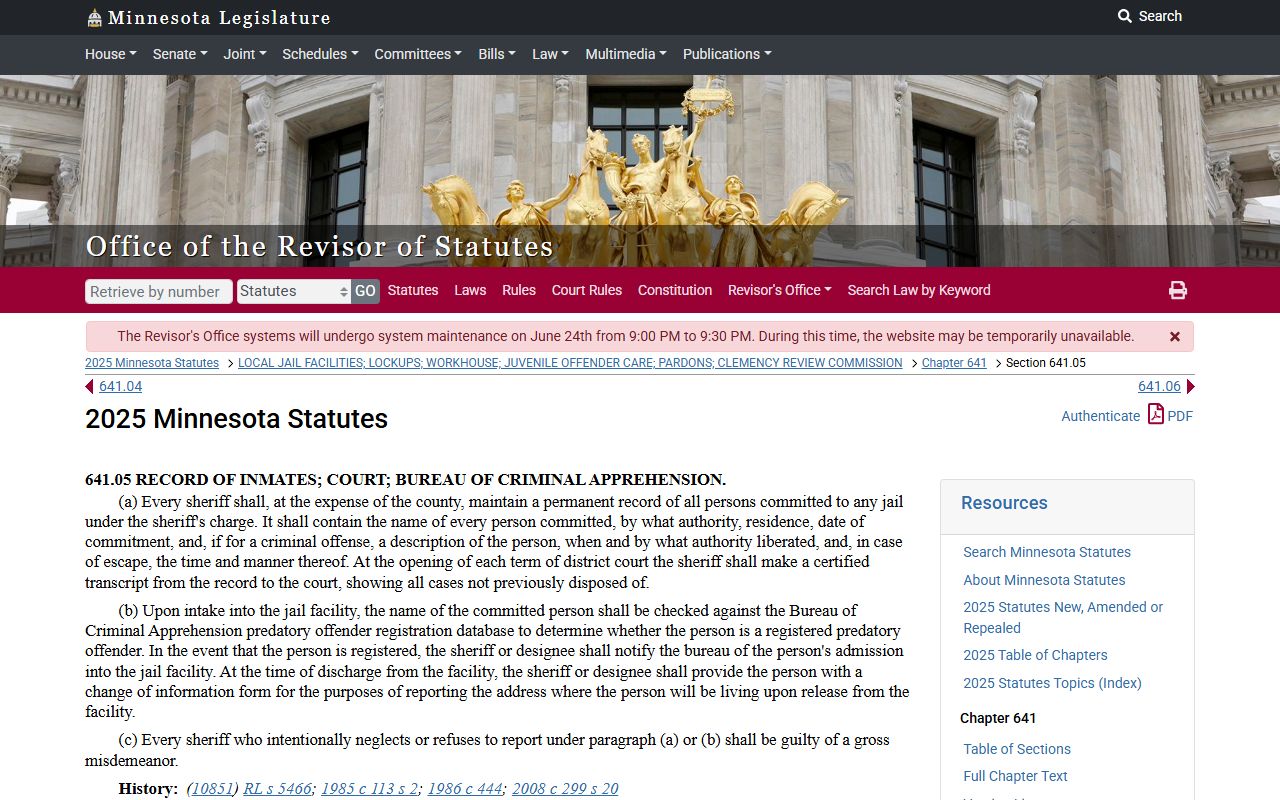
Jail register law defines the publication structure and the lawful boundaries for public custody lists and related entries.
Source: https://www.revisor.mn.gov/statutes/cite/260B.198
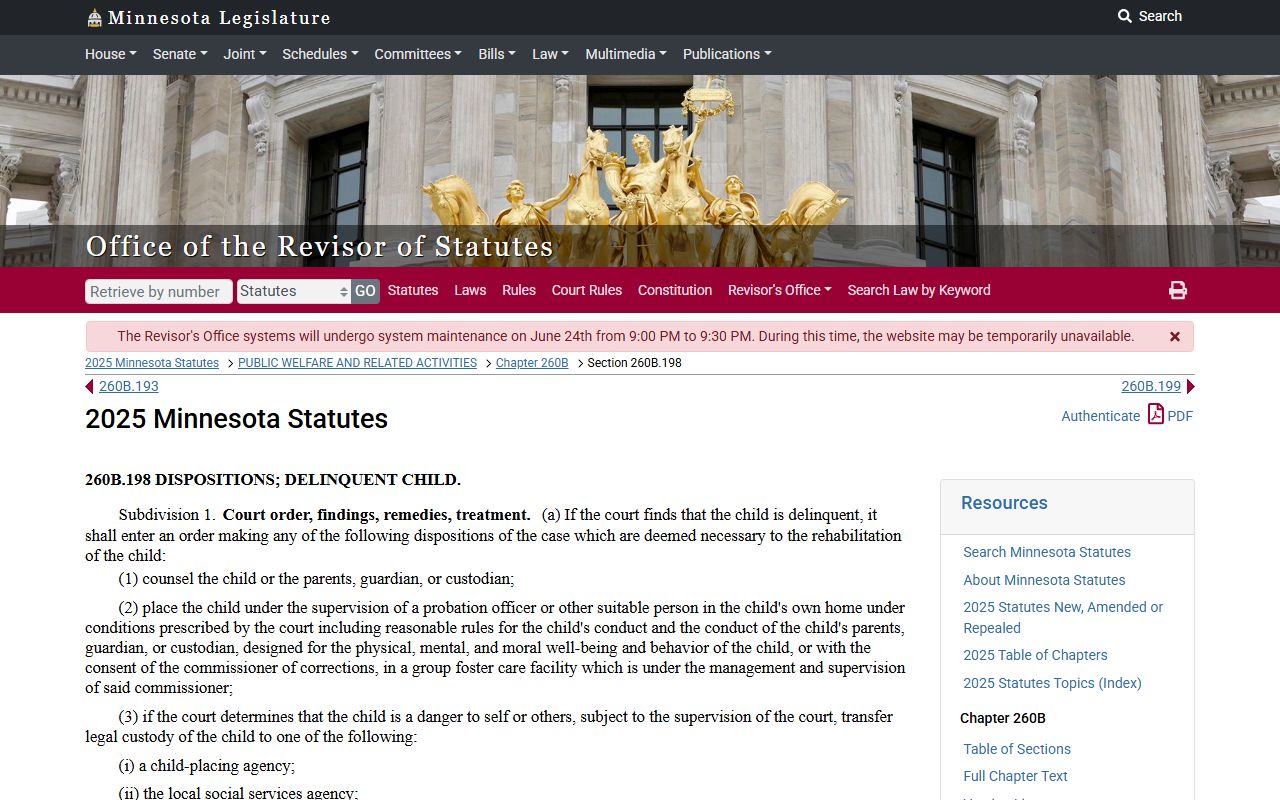
Juvenile and restricted channels may not appear in public lists, and confirmation should move to court channels when needed.
Search Inputs for St. Louis County Warrant Workflows
Because public warrant sources are not all search forms, practical steps are based on available input points. Pair name and case number work, then confirm through court channels.
| Field or Source | Type | Required | Use |
|---|---|---|---|
| ACTIVE FELONY WARRANTS | Public list link | No | Start with felony-specific list for local court-connected warrants. |
| ACTIVE MISDEMEANOR WARRANTS | Public list link | No | Start with misdemeanor-specific list for lower-level felony cross-checks. |
| Submit Anonymous Tip | Link | No | Use only through official county reporting guidance when needed. |
| Case number | Text | No | Most reliable when name search does not surface a result. |
| MCRO lookup | Court case tool | No | Confirms the related pending criminal case status before legal action. |
| Court confirmation | Manual verification | Yes | Required before treatment or safety planning decisions. |
Warrant Lifecycle for St. Louis County Files
Court issuance and public publication are different processes. A warrant is first a legal filing with a court record signature, and only then does it move into public and law-enforcement publishing channels.
In practice, the safest path is to anchor the check on court metadata: identify the case, verify hearing and custody status, then follow court instructions if you are responding to a listed warrant.
Because no separate municipal lower-court warrant stream is called out for St. Louis County in the source, warrant resolution is centered in District Court administration and the sheriff execution framework connected to that court file.
How to Clear a St. Louis County Warrant
If a warrant is valid for your situation, the safest route is to make arrangements at the courthouse tied to the case and follow hearing process through official channels.
The procedure differs by courthouse, including specific handling for Duluth, Hibbing, and Virginia. For Duluth, the published Tuesday 8:30 a.m. room #133 check-in has a direct practical purpose and is often used when a person is appearing to get the matter returned to a court calendar.
- Contact the court office where the case is filed and request status confirmation.
- For Duluth matters, visit the Duluth courthouse on Tuesday at 8:30 a.m. and check in at room #133.
- For Hibbing and Virginia, call court administration and request court date coordination.
- Attend appearance and resolution as directed by the court officer or clerk assignment.
Duluth court administration is reached at (218) 274-6007 option 4 in Hibbing and (218) 305-7021 option 4 in Virginia. The same workflow can include payment plans or court-directed appearance terms, depending on case type.
When a Warrant Search Is Not Enough
Public warrant pages can confirm that a name is on a published list. They do not provide full legal resolution status. The strongest signal for finality is the court file and the court office that issued the appearance instructions.
For this reason, if a person is trying to resolve a warrant, the practical workflow is to verify hearing date, appearance obligations, and bond or release pathway in court records, then act only through courthouse instruction.
The county research shows that errors can happen on public lists, and those are expected to be corrected through the originating courthouse.
Access Channels and Safety Paths
Use official channels for confirmation before planning any action. Public lists support awareness, not operational enforcement.
When a public list entry appears, call the issuing courthouse for case confirmation. If the case involves missed appearances or enforcement concern, check MCRO and the sheriff non-emergency numbers after direct court follow-up.
The Sheriff channels also provide custody context, while DOC and VINELink should be used for custody movement and noncourt safety context only. Use these channels only as supplements to direct court confirmation.
- Sheriff Warrant Division list for initial public visibility.
- Court records search for case-level context and hearing dates.
- MCRO and court clerk for court-driven warrants.
- DOC and VINELink when custody notification channels are relevant.
- Emergency matters to 911 or the sheriff non-emergency reporting lines.
Contact options: Duluth Sheriff Office (218) 726-2340, Hibbing (218) 312-8134, Virginia (218) 471-7134, and outside county reporting at (218) 625-3581.